Why Is My Water Pressure Low?

Why Is My Water Pressure Low?

Have you recently turned on your faucet only to discover a trickle of water coming from the spigot? Does your water come out of your fixtures at a fraction of its former rate? If you’re having problems with your water pressure, then the cause of your issues could be one of many different possibilities.

Overly High Water Usage

If your low water pressure occurs when multiple water-using appliances are running or when multiple showers are in use, then its cause may simply be using too much water at once. You can easily fix this problem by spreading out your water usage over the course of the day.

Too Much Water Use on Shared Pipelines

Low water pressure can also be caused by too many people in your neighborhood using water at the same time on shared pipes. If you’re on a pipeline that goes into multiple houses, then you’ll need to try to plan around your neighbors’ water use. You should attempt to find times of the day when the water pressure is highest so you can use the water yourself at those times.

Main Shutoff Valve Is Not Open

A partially closed main shutoff valve can reduce the water pressure in your home. Your main shutoff valve will likely be located inside your home close to where the city water supply pipe comes into your house. Once you find the main shutoff valve, you should turn it counterclockwise until it’s all the way open. Hopefully, this will solve your low water pressure issue.

Water Meter Valve Isn’t Open

If the main shutoff valve isn’t the culprit, then the water meter valve might need to be opened — especially if your water company has recently done work on your premises. Your local water company probably owns this valve, so it may be difficult to access. In fact, you might have to call the water company to have them check the valve for you. Once they open your meter valve all the way, you may notice your water pressure improving.

Sediment Buildup in Fixtures

Shower heads, faucets and toilet-fill valves can all experience sediment buildups that can impede water flow. Sink aerators are fairly easy to remove, and you may be able to take the aerator off the fixture experiencing low water pressure and clean out the grit that’s clogging it. You may also be able to clean your shower head by gently rubbing its nozzles or soaking it in vinegar.

Broken Fixtures

If cleaning out the fixtures doesn’t fix your problem, then your fixtures might be broken altogether. Faucets and shower heads aren’t particularly expensive, so you can easily replace them with modern, fully functional fixtures. If you don’t feel comfortable replacing the fixtures yourself, then you should hire a professional plumber to do the work for you.

Broken Pressure Regulator

As its name implies, the pressure regulator controls the water pressure in your plumbing system. As pressure regulators age, they might cause your water flow to increase or decrease more than is beneficial. If your pressure regulator is no longer capable of keeping your water flowing at the right pressure rate, then you’ll need to have it replaced.

Clogged Pipes

Low pressure can also be caused by blockages in your pipes restricting water flow. Dirt, food fragments, oil and other pollutants can build up over time, reducing the space in your pipes where water flows. If you have a significant buildup of debris in your lines, you’ll likely need to have a plumber take care of this problem for you.

Leaky Pipes

Leaking pipes can reduce your home’s water flow and cause damage to your property. Wet spots, puddles, mold and sagging walls are all signs that you might be dealing with a leak on your premises. Whether your pipes have a single large leak or multiple smaller ones, you’ll need to hire a competent plumber to repair your pipes before you get sufficient water pressure again.

Corroded Pipes

If oxidation and the passage of time have left their marks on the inside of your pipes, then you might be experiencing less water flow than you’d like. Older pipes made of galvanized steel are especially prone to corrosion, but even the sturdiest pipes can corrode over time. In all likelihood, you’ll need a plumber to evaluate and then replace your corroded pipes in order to avoid leaks and even lower water pressure.

Branch Lines Are Too Small

Low water pressure can also be caused by the smaller pipelines that branch off from your main lines not being large enough to support current water demand. This possibility is particularly likely to be the culprit if you’ve recently added water-using appliances to your home. A skilled plumber will be able to evaluate your pipes and give you larger branch lines that are capable of keeping up with your water use.

Problems With Your Water Supplier

Sometimes, low water pressure can be caused by problems from outside of your property. If your entire neighborhood is experiencing water problems, then your local water supplier might be having issues. You should contact your local water supplier and ask them for clarity regarding your community’s low water pressure problems and solutions.

Local Regulations Have Changed

Another potential source of trouble outside of your property that can cause low water pressure is local bureaucracy. If the powers that be in your city have changed water regulations, then you might be stuck with low water pressure. One possible solution is to have a plumber install a water pressure booster system on your premises that will increase your water pressure without damaging your pipes.

Broken Water Main

Water main breaks are especially common in the winter when temperatures get below freezing. Broken water mains usually result in reduced water pressure for entire neighborhoods. Since your local municipality will have to fix the break, you can call them for more information about the repair time frame.

The City Is Flushing Fire Hydrants

You could also be experiencing temporary low water pressure due to your city flushing its fire hydrants. If city workers are cleaning out fire hydrants near your home, then they’re likely releasing hundreds of gallons per minute. Your low water pressure should resolve itself within a few minutes of the fire hydrants being turned off if this is the cause of your water pressure issues.

HVAC, Plumbing and Electrical Services in Tacoma

At Hunt’s Services, we have the tools and the skills to provide high-quality HVAC, plumbing and electrical services to the people of Tacoma, WA. If you’re having problems with low water pressure, you can trust us to get to the bottom of your issue.

You can also count on us to help you with your garbage disposal, sump pump, gas lines and water filtration issues. Our HVAC services include heating and cooling repair, installation and maintenance; whole-home filtration system installation; and duct-cleaning services. We’re also capable of installing electrical panels, lighting and EV charging stations. Contact us today if you need the help of our skilled technicians.
What Is the Best Home Water Filtration System?

water filtration in Tacoma, WA

Tap water in Tacoma may contain contaminants, such as metals and chemicals. The only way to purify your water is with a water filtration system. Looking into this can be a bit overwhelming because there are so many options. Learning more about the ones that are available can help you narrow down the filtration system that will work best within your home.

Testing Your Home’s Water

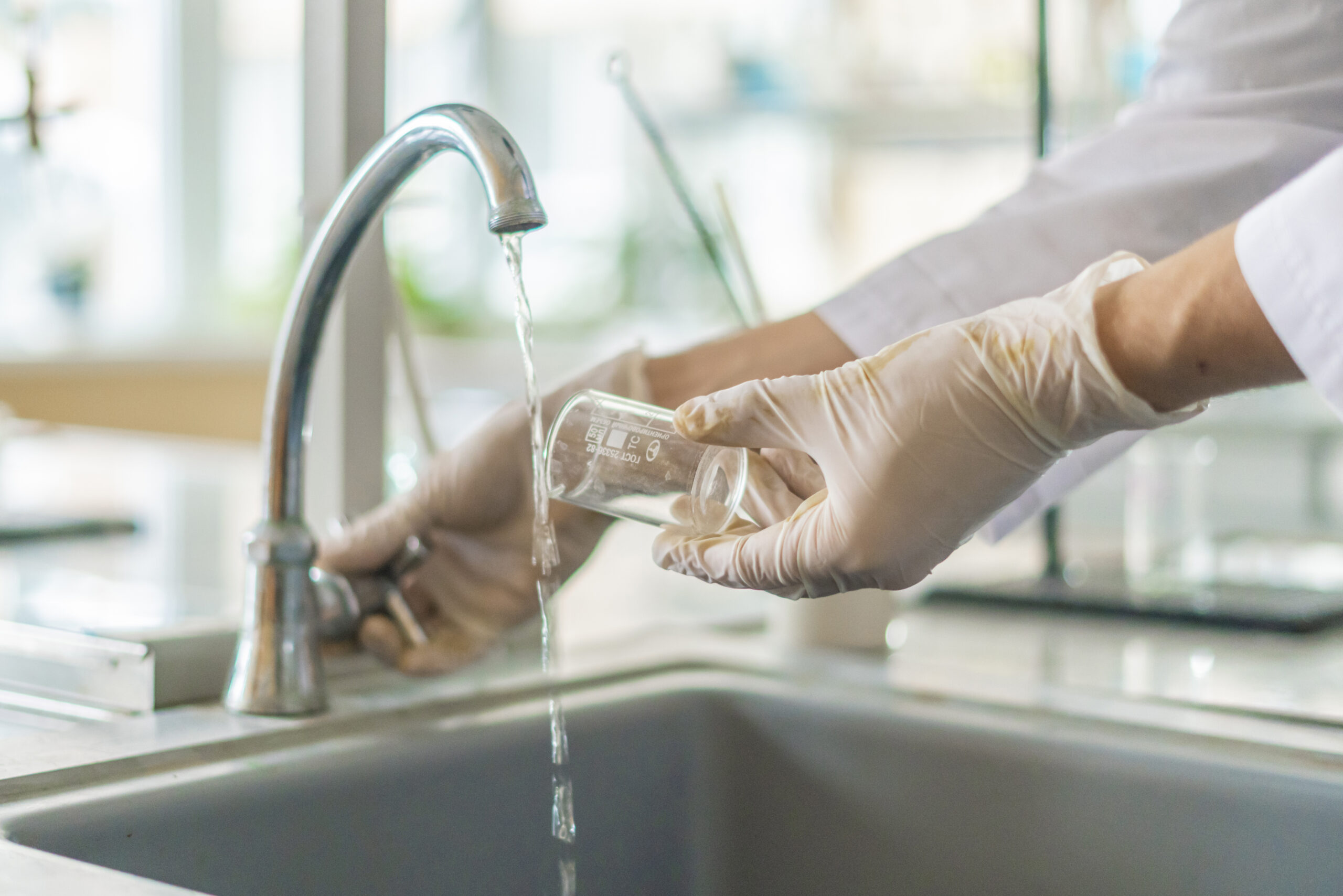
The first step is learning more about the impurities that are in your home’s water. You want to have a professional conduct the testing so that you can be sure the results are accurate. They will also explain the results and help guide you toward filtration systems that will work best in your home.

Benefits of a Home Water Filtration System

Having contaminants in your water can alter its taste and even make it harsher on your hair and skin when you shower. There is also the point that it could be unhealthy for your plumbing.

Removing impurities from the water in your home comes with a wealth of benefits:

  • Safer drinking water
  • Better water taste and smell
  • Environmentally-friendly
  • Cost-effective
  • Multiple filtering options
  • Retain more water minerals
  • Improves water-using appliance performance
  • Low maintenance

Types of Home Water Filtration Systems

There are several different types of filters for you to choose from. Learning a bit about each one can make it easier to choose the right one.

Activated Alumina

This filter might be ideal for removing arsenic or fluoride. It has a high level of absorption since the compound is a highly porous ceramic. The materials bond together instead of just being held in the pores. It is able to pull contaminants from the water in your home without them leaking out and getting into the environment.

Activated Carbon and Carbon Block

You probably are aware of this type of filter as they often call it activated charcoal. These are common in water filtration systems and are often present on water filter pitchers or a below-the-sink filtration system. This type of filter can attract and absorb impurities to take them from your water. It also requires no electricity to operate.

Alkaline and Water Ionizers

This type of filter ionizes water to separate acidic and alkaline water. You usually use this along with an additional water filtration system to remove impurities. This filter focuses more on water quality and softening it.

Distillation

If you are looking for a more primitive option to purify smaller amounts of water, this is an option to consider. You might look into this option if you like to collect rainwater and purify it so that you can use it for cooking, drinking and bathing. During the process, the water boils to produce steam. Then, you cool it in a clean container. Once you fully complete the process, you have clean water that tastes better and is free from bacteria.

There are kits that provide you with all of the components that you need to distill the water. Just make sure that you have a source for heat and electricity to take advantage of this process.

Ceramic Filters

Ceramic is a type of material with lots of tiny pores all throughout its surface. Anything bigger than the pores will get stuck in them, removing them from your water. You do not need an electricity source to use this type of filter.

You can use a silver treatment with ceramic filters. This helps to prevent algae and mold from surviving in your water. Silver is also effective in killing bacteria.

Sand and Sediment Mesh

Think of this type of filtration system as similar to the colander that you use to drain your noodles have you boil them. This filter system is best for removing large particles from your water, such as clay, rust, dirt and sand. While they do not remove micro-particles, they are a good choice for keeping your plumbing system free from sediment.

Reverse Osmosis

This type of filter features a semipermeable membrane that the water goes through. Water is able to flow through without a problem, but metals, contaminants, chemicals and parasites are not able to penetrate the filter. Just make sure that you have strong water pressure if you want to use this filter system. The water pressure has to be good to force it through the membrane.

Ultraviolet Light

This type of water filtration system is able to remove a number of water microorganisms, such as viruses, protozoa, bacteria and parasites. With this system, you expose the water to UV light radiation at a high frequency via a glass element. You will need a lot of energy to use this type of system.

In some cases, people opt to use UV lamps as part of a bigger water filtration process. This can help to ensure the removal of both non-organic contaminants and microorganisms from your home’s water.

Choosing the Right Water Filtration System

Once you have water testing, you will know about the type of contaminants that are present in your water. Start your search by narrowing down your options to the systems that work for these specific contaminants. Next, determine if you want a system that relies on electricity or not to purify your water. These two concerns will help you pick a system that best fits your needs.

Water Filtration System Maintenance

Maintaining your system ensures that your water is always clean and ready for use. One or two times per year, you will likely need to replace the filters. This ensures that the water coming out is free from impurities. Certain types of filters require cleaning instead of replacement. A professional can help with this to ensure that you do it correctly and do not unintentionally damage the filter.

About once a year, the filter housings require a cleaning. This will remove any accumulated contaminants. Once fully cleaned, you can also sanitize the housings to make sure that they are free from bacteria and debris.

If you notice any wear and tear on the components of the system, it is important to have a professional repair or replace them promptly. One part that will likely need some attention at some point is the O-ring, so keep an eye on this to see if it is wearing or cracking.

Water Filtration Systems in Tacoma

Water filtration can make your Tacoma home’s tap water cleaner and tastier. The key is to choose the filtration system that works best for your home and family, and we can help you make this decision. Once we finish up with this task, we offer other services to help you keep your home a haven for comfort. Whether you need electrical work or plumbing help or you want to improve your indoor air quality, our expert staff is here to help you with your home goals.

Contact Hunt’s Services today for your water filtration needs.

What Sounds Tell You That It’s Time to Call a Plumber?

Toilet repair in Tacoma, WA

Toilets make distinctive sounds each time they flush and refill with water. These sounds are perfectly normal. However, your toilet should remain relatively quiet the rest of the time. Hearing a range of unusual sounds from the toilet can indicate a problem with your plumbing. While it may seem easier to dismiss bathroom noises as harmless quirks, ignoring toilet troubles can only make them worse over time. Here’s how to recognize the meaning of strange sounds and when to seek assistance to correct a problem.

Phantom Toilet Flushing

When it comes to toilet issues, few problems can seem as creepy as the occurrence of flushing even if you have never pulled down the handle. Also known as “ghost flushing,” this sound can range from the movement of water in the tank to the full-blown emptying of the toilet bowl.

The good news is that phantom flushing is often the result of a faulty flapper or defective flush valve that causes your hardware to flush spontaneously. Other causes of phantom flushing can include the following:

  • Toilet tank leaks
  • Improper refill tube positioning
  • A flapper chain that’s misaligned or too short
  • Unusually low water level in tank

If you hear flushing when no one is in the bathroom, contact a professional plumber for inspection and repair. Plumbers can properly address issues with your flapper, refill tube, or flush valve drain to prevent the toilet from randomly flushing on its own. Since unnecessary flushing can increase your water bill, it is important to contact an expert and get to the bottom of the issue quickly.

Constant Running

When you flush a toilet, it should only run for a short while afterward so that the tank can refill with water. If the toilet continues to run for several minutes after a flush or it never seems to stop running at all, this can indicate one of several problems.

In the back of each tank is an object known as the flapper chain. If this chain is too short or too tight, it does not allow the valve to close completely. The motion of water through a partially opened valve can cause persistent running noises.

In addition to flapper chain and tank valve issues, you can also hear constant running sounds that are caused by problems with the tank float. If the position of the tank float is too high, water will continuously spill into the overflow tube and cause a running sound.

Bubbling or Gurgling

Bubbling or gurgling often occurs when some type of blockage prevents the water from passing through the toilet drain. Negative air pressure builds up behind the blockage to create a gurgling sound that you hear in the toilet bowl. The source of the blockage can come from the toilet drain itself, the vent stack, or the sewer drain.

A professional plumber can help you determine whether the blockage is from buildup like calcium deposits or the result of something more complex. For example, if your toilet is not the only drain you hear gurgling in your home, there is a strong chance that you have a major blockage within the sewer line or mainline. Since sewer line blockage can include anything from toilet paper to tree root obstruction, call a professional to correct the issue and prevent a plumbing emergency.

Banging or Clanging

Banging noises, sometimes called “water hammering,” are among the most common pipe complaints of homeowners, and they’re usually the result of a sudden change in water pressure. Since water is not compressible, a sudden pressurization of water can cause it to slam forward and bang on the sides of the pipe or against the pipe fittings. A home services company can help adjust the pressure to rectify the situation.

Plumbers also associate water hammering with problems like damaged air chambers, loose mounting straps, or faulty valves. For example, if a toilet’s air chamber becomes waterlogged, it can no longer cushion or protect pipes from changes in water pressure. The sudden rush of water can then cause clanging sounds.

Similarly, mounting straps usually help support pipes against water pressure, so any loose or broken strap compromises protection from water surges and can result in clanging sounds. Finally, when a faulty valve closes but water continues to flow downstream, the water’s momentum can create a vacuum effect. This vacuum effect can cause pipes to burst or collapse. Contact a plumber to determine options for regulating water pressure.

Hissing

While it is normal to hear a short hiss when you flush the toilet, you should not ignore persistent hissing sounds. The most common cause of hissing is the deterioration of the toilet flapper. Over time, flappers wear out and stop functioning correctly, and your toilet will never fully refill if the flapper does not work. Contact a plumber to repair or replace the flapper.

Other causes of a hissing from your toilet include a maladjusted ballcock or an improperly adjusted fill valve. When either the ballcock or fill valve is not at the right level, water can begin filling into the overflow valve. In addition to the flapper, ballcock, or fill valve, hissing can result from the following:

  • High water level flowing from water lines to the toilet
  • Sediment covering the valve seal
  • Faulty toilet lift chain that has created a leak
  • Faulty overall flush-valve assembly

Since hissing noises can arise from any number of causes, it is best to hire a professional company for diagnosis to avoid a plumbing emergency.

Sudden Rushing Noises

A sudden rushing noise is another sign that you may have problems with your water pressure. Water pressure is measured in pounds per inch (psi). This measurement describes the force by which water travels from the mainline and into your pipes and toilet. While psi for households can vary, yours should never exceed a measurement of 80 psi. A professional plumber can measure your water pressure and make adjustments.

Vibration

The operation of a toilet should never cause the wall to shake or make vibrating sounds. Vibration from a toilet is often the result of a problem with the diaphragm gasket inside the fill valve. While diaphragm gaskets are durable, they tend to wear out and malfunction over time. A plumber can help diagnose any gasket issues and replace the equipment in a way that prevents damage to other toilet components.

Groaning

Groaning noises from the toilet can often indicate an issue with pipes. If there is a constriction somewhere within the mainline, for example, you can hear groaning sounds as the water squeezes through this narrower section of the pipe. Trained professionals can locate the mainline issue so that it does not create bigger problems. Groaning noises can also come from excess air in the pipes. You should never attempt to bleed air out of pipes yourself since this can easily damage your hardware. A plumber has the right equipment to remove air buildup without compromising your water system.

Whistling or Squealing

If you hear high-pitched whistling or squealing, it usually indicates a problem with the fill valve. When the fill valve does not close or seal properly during a flush, it can cause water to overflow and produce a whistling sound. To prevent weak flushes and potentially wasting gallons of water each day, contact a plumber for a replacement.

Foghorn Sounds

Foghorn noises can sound particularly alarming. If your toilet sounds like a ship arriving in the harbor, it could indicate a problem with your tank float. Foghorn noises occur when the tank float wears out or washers become loose inside the float. Instead of worrying, simply contact a plumber to replace this component and reassemble your hardware.

Contact an Expert Plumber Today

Toilet sounds are more than an auditory nuisance. These noises are often serious indicators of problems with your plumbing. Fortunately, our team at Hunt’s Services provides excellent plumbing services for households in Tacoma and the Puget Sound area. Besides a full range of HVAC and electrical services, we offer toilet installation and replacement, drain cleaning, and piping replacement and repair. Contact us at Hunt’s Services today to keep your toilet in top-notch condition.

When — and Why — You Should Schedule Water Heater Care

Water Heater Maintenance in Tacoma, WA

You may not think about your water heater too often. Even still, it’s probably one of your favorite appliances in your home. Without it, you wouldn’t have hot water for showering, washing dishes, or doing laundry. If it suddenly stops working, you’re certainly going to notice. Instead of risking that inconvenience, plan on having a professional perform regular water heater maintenance.

When to Plan on Regular Water Heater Maintenance

In general, your gas or electric water heater will benefit from an annual maintenance visit. A yearly inspection and tune-up are important for ensuring that your water heater is running well.

Regular maintenance on your water heater can help prevent breakdowns. During a maintenance call, your water heater professional will look over the system to assess its condition. If there are any problems, you can schedule a repair right away before the issue gets worse. That can help prevent interruptions in your hot water service.

Regular cleanings and tune-ups can reduce the wear and tear on this appliance. That lessens the chance that a part will suddenly break, leaving you without any hot water. Scheduled maintenance can help your water heater and all of its components last for as long as possible.

Water heater damage can also be a safety issue. If something goes wrong with your system, you might be at risk of a leak, a fire, or even an explosion. You or a family member could experience a painful burn. The cost of an annual maintenance visit is a small price to pay for the safety of your property and your loved ones.

Why a Plumber Should Flush Your Water Heater

Popping or cracking sounds in your water heater can be alarming. These sounds come from sediment buildup inside the tank of your water heater. Your water supply contains various minerals, especially if you live in an area with hard water. As the water flows through your tank, it may leave behind mineral deposits that accumulate at the bottom of the tank.

You’ll know that the buildup is becoming a problem when your water heater starts operating loudly. The sediment can trap heated water beneath it. The water will turn to steam and make loud popping sounds as it tries to push past the debris.

A thick layer of sediment can contribute to many issues.

  • Reduced efficiency
  • Higher power bills
  • Less hot water supply
  • Clogs in the water lines
  • Tank damage and potential leaks
  • Risk of explosions

Sediment buildup is one of the most common water heater issues, and plumbers know to address it during a maintenance call. There’s an easy fix: flushing the water heater.

First, your plumber will safely drain the water that is inside your water heater’s tank. Then, using fresh water, the plumber will flush the inside of the tank to wash away sediment. After thoroughly cleaning out the residue, it will be time to refill the tank and heat the fresh water. You’ll once again have a strong supply of hot water, but this time, a chorus of pops and crackles won’t accompany it.

What Else to Expect During a Water Heater Maintenance Visit

Flushing the tank isn’t the only job that your plumber will perform during a maintenance visit. It’s important to schedule this service even if you have a tankless heater or don’t hear any popping noises.

Your plumber will check the anode rod. This component guards your tank against corrosion. Through the magic of chemistry, the rod itself becomes corroded. You can typically use the same rod for several years, but it will eventually require replacement. During your annual maintenance visit, the plumber can evaluate the status of this important piece and decide whether it’s time for a new one.

Your maintenance professional might also check the temperature setting on the unit. The plumber will perform a safety inspection to look for any dangerous holes or cracks in your water heater. Another item on the checklist is making sure that the temperature-pressure release valve (TPR valve) is still in good working order.

How to Know if Your Water Heater Needs Additional Attention

There are some water heater issues that you shouldn’t ignore. Even if it’s been less than a year since your last water heater appointment, you may need to go ahead and call your Tacoma plumber for service.

If you’re running out of hot water more often than expected, there may be an issue with your system. A plumber can fix the problem so that your whole family can once again shower comfortably.

Even if your hot water lasts for a while, the water pressure may be low. Reduced water pressure is another sign that it might be time for water heater service. There could be an issue with one of the pipes, or sediment in the tank could be restricting the flow of hot water.

Maybe you don’t hear popping sounds from your water heater, but it seems that the motor is running more loudly than normal. This can be an issue with tankless water heaters, in particular. Calling for service may help you detect the source before your water heater stops working completely.

Leaks or puddles are a water heater issue that you should never ignore. They could be a sign that a larger issue is brewing. If you notice water on the floor near your water heater, please schedule service as soon as possible. You’ll also want to call a plumber if you see drips coming from a valve or a pipe. Frequent condensation on the outside of the tank may also require service.

Rusty water can be another sign of a water heater problem. Whether the water looks dark red or simply has a murky tinge, your water heater or its pipes may require repairs.

When to Think About a New Water Heater

During a maintenance or repair call, your plumber might eventually suggest that it’s time to get a new water heater. Regular maintenance can help you get a few extra years out of your water heater, but it still won’t last forever. Most units are good for around eight to 12 years in terms of safety and efficiency.

One key benefit of regular system maintenance is that you can count on the expertise of our professionals. Your plumber’s goal is to keep your system safe and operational. You can trust that you’ll receive reliable advice about when it’s time for water heater replacement.

For traditional or tankless water heater service and other plumbing needs, give Hunt’s Services in Tacoma a call. Our experienced plumbers work on drains, pipes, garbage disposals, sump pumps, and more. We also have professionals to care for your heating, cooling, and electrical systems. We are your full-service team for residential property care in the Tacoma area. Visit our website or call today to schedule your first appointment with a Hunt’s Services professional.

How Houses Benefit from a Sump Pump

Sump Pump in Tacoma, WA

If you’re looking for one of the easiest ways to make sure that your home is free from water damage and you live in a flood plane, getting a sump pump is the right option. Sump pumps push water away from your home in the event of a large storm, rising flood waters from a nearby river or another water system, and moisture from melting snow. If you live in an area that’s prone to flooding, it’s essential that you have a sump pump in your basement. But you might be surprised by all the other ways a sump pump can improve your home.

Prevents the Formation of Mold and Mildew

Mold and mildew can smell pretty bad, and they can even be dangerous to your health, especially if you have someone who has allergies. When water builds up, even if you clean most of it up, you’ll likely have problems with mold and mildew because it’s difficult to get rid of it all. A sump pump is a simple way of ensuring that your basement is free of any water that could cause mold or mildew.

Protects Appliances

Many people have their laundry room in the basement, and those appliances can become damaged if you have flooding. Plus, when appliances that are hooked up to electrical outlets are submerged in water, there’s an increased risk of electrocution if a person or pet walks in the water.

Reduces the Risk of Electrical Fires

When you have electrical wiring running through your basement, you don’t want it to get wet because water can damage the wires. When the wires get damaged, there’s an increased risk of electrical fires, which are both dangerous to people and pets inhabiting the house and to the structure’s integrity. Keeping the wires free of water is paramount, and you especially don’t want live electrical wires submerged in standing water because that is an electrocution danger.

Increases the Property Value

Houses that are properly cared for maintain their value. If you want your home to have as much value as possible, installing a sump pump is one simple and logical way to ensure that the house is protected from damage, which will protect the value of the house.

Prevents Damage to the Foundation

When you want your home to last, ensuring the foundation is strong should be one of your top priorities. A sump pump can get water away from the house so that your foundation remains strong. Water can break down the materials that concrete is made of, cause mold to grow in the concrete, and cause the concrete to shift. When you remove water from your basement with a sump pump, you lessen the amount of time your concrete foundation is exposed to excessive water, so your house’s foundation should last longer.

Prevents Damage to Soft Surfaces

If your basement is finished, there are all types of soft surfaces that could be damaged. Basements with carpeting will immediately experience the effects of water damage. But materials like drywall, furniture, and wood cabinets will also be damaged if you don’t have a sump pump to remove the water. When water soaks into soft surfaces, such as carpeting, furniture, and dry well, mold and mildew conform quickly. Mold spores can cause many health problems, so if you don’t clean up the water quickly enough, you often have to throw out furniture and tear up carpeting and drywall to get rid of the health hazards. And even if your basement isn’t finished with carpeting, materials like stick-on flooring can be damaged if your basement gets flooded. They often peel off as the glue dissolves with the water. Additionally, when your basement is exposed to moisture, it’s more likely that any metal will start to rust. In total, this could be thousands or even tens of thousands of dollars in damage to your home.

Stops Sewage from Entering the Home

When there’s a lot of rain or melting snow, the water in the city sewer system can also rise. If this sewage rises around the foundation of your home, you could have sewage leaking into your basement, which can smell awful. Additionally, breathing the air of sewage can cause a variety of negative health consequences, including nausea, vomiting, cramping, fever, and other forms of gastroenteritis. In fact, in extreme cases, over a long period of time, inhaling sewer gases can even lead to death. A sump pump doesn’t just get rid of the rainwater. It can also prevent sewer water from entering your home.

Prevents Pest Infestations

When basements are damp, pests find it a nice place to breed and live. You could have termites and other insects, but you can also attract rodents and other pests that can make your home unhygienic. If you want to lessen the likelihood that you have pests, take away the things that are attracting them, including water.

Reduces the Home’s Humidity Levels

Humidity levels rise when there’s standing water. If you want to cut down on the humidity levels in your homes, especially the basement, you should invest in a sump pump to get rid of any water that could be rising. Even if you don’t have any soft surfaces in your basement because it’s unfinished, your home will greatly benefit from a sump pump because the humidity in the basement can travel to the rest of the house. When it travels to other places in the house, humidity can damage wood and make the house smell like mildew. Plus, your air conditioner will have to work harder to pull the moisture out of the air, which can cause your electricity bill to go up. Sump pumps work quickly to get the water out of the basement so that it doesn’t have time to evaporate into the air.

Increased Peace of Mind

Even if your house doesn’t usually flood in the basement, it only takes one time for there to be a lot of rain or melting snow for your basement to flood. A sump pump can take care of any problems that arise with water in the basement, whether you’re at home or in a different state. It helps you feel secure because you know that you could go on vacation in another state without being able to monitor the condition of your home. It makes you appreciate the versatility of sump pumps. These devices provide many homeowners with a great sense of security.

When you’re looking for a simple way to guard the value of your home, installing a sump pump is crucial. You can talk to Hunt’s Services about sump pump maintenance and installation as well as a variety of other plumbing services. Plus, we provide heating, cooling, sewer, and electrical services, so we can help you maintain your entire home. Give Hunt’s Services a call today to learn more about how we can help.

Selecting and Installing an Eco-Friendly Water Heaters

Replacing appliances and fixtures, such as water heaters, is unfortunate and costly but remains a routine part of home ownership. There’s no escaping the fact that household necessities will eventually break down to the point where a repair is no longer economical or possible. At this point, you’ll have to replace them.

The typical water heater lasts between eight and 12 years, and a replacement could become necessary once yours reaches an advanced age. Issues like rust, leaks, and failing to heat water are common symptoms of a bad water heater, and it’s in your best interests to identify these problems early, so you don’t end up with water damage inside your home or business.

Looking at energy-efficient models makes a lot of sense when searching for a replacement unit. These products can save you money on your monthly energy bills, and you can also rest easy knowing you’re doing your part to protect the environment.

You’ll have a few options when purchasing an environmentally-friendly water heater. Here’s a look at some of the best products available for your residential or commercial property in Tacoma, Seattle or Olympia, WA.

Energy Star Water Heaters

If you want to stick with a traditional tank water heater, going with an energy-efficient model is your best bet. Water heaters with Energy Star certification use less energy than older units, saving you money.

The precise amount you’ll save depends on how much you use hot water in your home, but Energy Star water heaters utilize about 10% less energy than standard models. This reduction in energy consumption could lower your gas or electric bills by hundreds of dollars over the unit’s lifetime while keeping dangerous greenhouse gases out of the atmosphere.

Tankless Water Heaters

Of course, tank water heaters aren’t the only option because you could always install a tankless water heater in your home or business. These products are even more efficient than Energy Star units because they heat the water on demand, reducing waste.

The amount you can save depends on how much hot water your household utilizes. Families that use less than 41 gallons per day could use 24-34% less energy to heat their water. Even homes that use a ton of water will experience savings, although the amount is between 8% and 14%.

Tankless water heaters are also easier to repair and maintain than conventional tank water heaters, primarily because you don’t have to worry about the tank rusting or leaking. The result is a longer lifespan and even more cost savings.

Homeowners that are serious about protecting the environment will find they’re using less energy and less water when investing in a tankless option. The result is an eco-friendly solution for your residence.

Heat Pump Water Heaters

The heat pump water heater is a new addition to the water heater field. These units are the most energy efficient of the bunch and can use 70% less energy than traditional water heaters. You’ll have to pay more upfront, but there are all kinds of rebates and tax credits you could find yourself eligible for, and you’ll save money every month once you have your unit installed.

These products have zero emissions and will offset the cost quickly because you could save over $4,500 according to Energy Star during the unit’s lifetime compared to a traditional water heater. They also last a bit longer, with the typical product running for 15 years without many problems.

Heat pump technology is becoming more prevalent, so applying it to heating water makes a lot of sense as more households look for ways to save money and become more eco-friendly for the benefit of the planet.

The Installation Process

No matter the heat pump option you go with, booking a professional installer from Hunt’s Services is essential. You don’t want to take any chances regarding your installation, so seeking a contractor with significant industry experience is worth your time.

The installation of an Energy Star water heater is the most straightforward because the infrastructure is always in place. Your contractor can quickly remove your old unit and install a new one with the existing connections, minimizing your disruption.

A tankless water heater installation will likely require access to your basement or crawlspace and will take a bit more time. However, since you won’t need a water tank anymore, it’ll free up space in your closet or basement. Your contractor will identify the best spot to install a tankless water heater, and the process won’t take too long once they begin.

Heat pump water heaters store water in a tank but don’t use gas or electricity to heat the water directly. Instead, they pull warm air from the room or outside your building and use it to warm the water in the tank. You’ll want to install your heat pump water heater in a warm space to maximize its efficiency. In addition, investing in a hybrid unit with supplemental gas or electric capabilities ensures you’ll still have hot water on the coldest days in the winter.

Book Your Appointment

When the time to replace your water heater comes, Hunt’s Services can assist. A team member will visit your home and speak to you about your energy-saving goals, ensuring you end up with the right product to meet your needs.

From there, we’ll install your new water heater and provide all the maintenance and repair support you require in the future. Contact Us here or Call Hunt’s Services at 253-533-7500 to book your water heater installation in Seattle, Tacoma, and many other locations in King, Pierce and Thurston Counties.

7 Spring Cleaning Plumbing Tips For Your Home

Happy Spring Cleaning!

The birds are singing, the leaves are appearing on trees, and it’s a time when many people are thinking about spring cleaning. If you’re opening up your windows for some fresh springtime air and cleaning up your home for the spring, don’t forget your plumbing!

Just like other parts of your home, your plumbing needs to be cleaned too! When you clean up your plumbing, you’ll save money and enjoy worry-free, problem-free water for this season and many more to come.

Here are some tips to help you know what to clean when it comes to your home’s plumbing:

Toilet Bowl Cleaning Tips

Clean out the bowl as you normally would, and also clean out the inside of the tank. Avoid using harsh chemicals. It doesn’t hurt to give your toilet a plunge or consider pouring a small bucket of water into the bowl from about waist level to “power flush” your toilet. Remind your family not to put trash in the toilet: never flush paper towels, tissue, diapers, or tampons. These things do not break up correctly and can clog your pipes. Additionally, use the minimum amount of toilet paper required to clean up after you are done.

If your toilet is leaking because of worn-out parts or the need for adjustments to your valves, floats, or gasket, give Hunt’s Services a call to make sure your toilets are in good working order. We will replace the parts and make adjustments so that you aren’t wasting water or end up with water damage to your house.

Bathroom Sink Overflow

Ensure that your sink’s overflow holes are clear. Overflow holes are used in case the sink starts to overfill, which may not seem like a big problem–until it is. Fill your sink to test the overflow holes and clear any overflow holes that are clogged. Drain pipes can also get clogged over time and require a good cleaning or flush to remove the blockage. Check your stopper to see if it is the cause of the blockage by removing and examining it from your sink.

Check below your sink to see if there are any leaks either from the sink or from the drain pipes. If you have a leak that you can’t fix yourself or a clog that won’t go away, give us a call so we can insure that leaks and clogs don’t cause you headaches any longer.

Bathtub Drains

To keep things flowing smoothly through the drain of your bathtub, each month you should feed it baking soda—one cup’s worth, with a cup of vinegar to chase it. Plug up the drain and allow the chemical reaction to occur. Wait for a little while, and then pour boiling water down the drain. This method clears out soap scum buildup and accumulated hair that gets caught in the pipes. Avoid slow bathtub drains by using a drain straining device to collect hair that would normally clog the pipes. This inexpensive device, when cleaned regularly, will prevent a lot of problems.

Perhaps even more so than a bathroom sink, your bathtub can get clogged with hair. As a part of your plumbing Spring Cleaning, remove the stopper from your tub. Most stoppers are removed by unscrewing the stopper from the drain hole. Get a piece of stiff wire, make a hook at the end, and fish out the gunk and hair that are usually just below the drain.

Kitchen Sink Clogs

Your kitchen sink drain takes in a lot of debris, including grease and fat, which can clog the drain and slow drainage. Pour boiling water down your kitchen sink drain to proactively clear the build-up. Consider using a drain straining device here too.

Garbage Disposal

Don’t use your hands to clean your garbage disposal. You can actually use lemon rinds or dish soap to do it! Lemon juice can help loosen and clean any build-up in your disposal and drain. Squeeze some fresh lemon juice in your disposal and let it sit for a while to do its work. Afterward, place small chunks of lemon with the rind and run your garbage disposal which helps clean the blades. And when you use your garbage disposal, avoid pouring grease or fat into it because that can clog up the machine and your pipes, especially when the grease or fat cools off.

Dishwasher

Your dishwasher works hard to remove the debris from your dishes and utensils to keep them clean and sanitary. Consequently, the leftover food particles can build up and clog your dishwasher drain. It is a good idea to remove the cover from your drain at the bottom of your dishwasher and check for and remove any debris that is stuck in your drain.

Also check your dishwasher for leaks. Leaks can occur in any of your water and drain connections in your dishwasher. If you have an air gap that empties into your kitchen drain or sink, take the cap off and clean any debris that has accumulated from your dishwasher.

Water Heater

Take a look at your water heater. Is it producing enough hot water for you? Are there leaks or visible cracks? Be proactive; don’t wait for your water heater to break before you do something about it.

When was the last time you had your water heater flushed? We generally recommend flushing your water heater so it is free of debris and sediment at least once a year. Springtime is a good time to get your water heater ready for the upcoming year. Flushing your water heater will increase the life span of your water heater and reduce your energy bills.

Summary

Spring is here and for many people that means it’s time to do a big spring cleaning. When you do, don’t forget your pipes because they are crucial to helping you keep your family comfortable and clean and quenched all year long!

What You Should Know About Gas Line Repair

With the dry weather we’ve been having in the Seattle and Tacoma area over the summer, having a gas leak from your gas piping is more dangerous than ever before. For starters, the dry landscape could go up in flames at a moment’s notice if a natural gas fire starts on your property, escalating the situation immediately.

If you believe that you have a natural gas leak on your property, it is vital that you have it repaired or the line replaced immediately, as failure to do so could cause serious problems. Also, always use a certified plumbing professional when dealing with these issues because the following gas pipe repair mistake could be deadly.

Signs of a Gas Leak

Whenever natural gas escapes the main line and enters your living space, it means that you have a gas leak. When this occurs, even a small spark from a cell phone or a cigarette could cause an explosion. Knowing that you have a gas leak is important because it gives you the chance to exit the home and call a repair and installation professional. You should also call the gas company in this situation.

  • Smell

Perhaps the first thing that you will notice if you have a gas leak is the smell. Natural gas doesn’t have a scent at all, but Puget Sound Energy puts an additive into the gas that makes it smell like rotten eggs. The odor is quite powerful, so you’ll unquestionably be aware of it.

  • Appearance

You might visually see signs of a gas leak if you know what they look like. Things like bubbles in standing water, white clouds, or mist around your property could be signaling that you have a natural gas leak. You might also notice blowing dust around your yard or plants that have always been healthy suddenly dying off.

  • Sound

Your gas leak detection should also involve taking a listen around any gas appliances that you have, such as your water heater and furnace. A whistling, hissing, or roaring sound is a good sign that you have a leak and that you should have things checked out.

Gas Line Repair Mistakes

From the second that you notice your gas leak, avoiding mistakes is crucial. The following are things that you should never do in the presence of natural gas or after you learn that you have a potential leak on your property.

Not Find the Cause

So, you know that you have a gas leak on your property, but do you know what has caused it. Perhaps the worst mistake that you can make in this situation is trying to repair the problem without finding out the cause of the issue beforehand. Negligence when dealing with gas repairs or installations is the number one cause of injury or death. A certified technician will be able to determine the cause and will only start to work on the issue when he or she knows that it is safe to do so.

Strike a Match

It might seem like common sense, but you should never strike a match to see if there is a gas leak on your property. Natural gas is extremely flammable and lighting this match could cause a major explosion. While this explosion will let you know that there is, in fact, a gas leak in your home, you might not be around to do anything about it.

Avoid Repair

At times, homeowners will put off repairs on certain items until they break completely. Your natural gas pipes aren’t something that you have this luxury with, however, as failure to have them repaired or replaced could be a fatal mistake. You can surely save a few bucks on other components around your house, but don’t mess around with your gas supply.

Wait for a Response

In situations where you have determined that there is a gas leak on the property, but it will take the plumber some time to reach you, make sure that you take action yourself. Start by calling Puget Sound Energy to have your gas shut off and getting your family out of the building.

What You Should Do

Other than calling a Seattle gas line repair company, there are some things that you can do to minimize the risk to yourself and your property:

  • Get out of the building
  • Have an annual inspection
  • Receive assistance
  • Prioritize safety
  • Maintain your pipes

Puget Sound Energy is responsible for managing the pipes up until they reach your meter. From there, it’s all on you, and if something goes wrong, you’re responsible for the repairs. Keep a close eye on your gas lines to ensure that you deal with any issues that arise before they do any damage.

To keep your home safe, have your gas lines inspected at least once per year. This service is vital because there could be an underlying problem that hasn’t led to any noticeable symptoms as of yet, but will cause an issue shortly. An inspection doesn’t take long and could save you from some heartache in the future.

Should You Worry About Earthquakes in Seattle?

The threat of a major earthquake striking Seattle has been in the news recently in part due to The New Yorker article on the subject, leaving many people worrying about when “the big one” will hit. The area is actually well overdue for a major earthquake and there is a 10 to 15 percent chance that a significant one of magnitude 9 or greater will occur in the Pacific Northwest in the next 50 years. Such a seismic event has the potential of destroying everything to the west of the I-5 between Seattle and Portland, leaving the entire area, and its 7 million inhabitants, in very rough shape. The Pacific Northwest Seismic Network provides up to the minute record of seismic events that occur in Washington and Oregon.

What is rarely talked about in the news, however, are the over 300 smaller earthquakes that occur in the region annually. Many of these events are not even noticed by people in the area, as they are either located well below the surface or take place in sparsely populated parts of the state. Very few of these earthquakes reach 3.0 on the Richter scale, so the damage is minimal, as well.

A major earthquake would be the result of the Juan de Fuca plate and the North American tectonic plate correcting themselves once the pressure between them becomes too great. Currently, these two plates are pressing against each other with tremendous force and, eventually, they will have to spring back. Smaller earthquakes, while also caused by a shifting of the earth’s plates, don’t contain the same amount of pressure and, therefore, contain less force.

Why You Should Care About Minor Earthquakes

Although these small earthquakes are relatively minor events in the grand scheme of things, and occur thousands of times throughout the year in the United States alone, they can still do some damage around your home. For example, even a small shifting of the earth could damage the pipes in your yard, causing them to crack or break.

Your Seattle sewer and gas lines are of particular importance, as having them leak could not only do significant damage to your property, but it could also lead to health problems for you and your family. Every home in the area has these pipes and if a bunch of them were to break at once, the damage could become catastrophic. Luckily, if you do end up with a broken pipe, you have a number of different repair options at your disposal.

Having Your Pipes Repaired

Depending on the types of pipes that you have in your yard, they could be very susceptible to breakage during a minor earthquake. Older pipes that are made from clay are particularly brittle and could easily crack and break anytime the earth shifts. Plastic pipes can also be very brittle and should be checked out if you are made aware of a small earthquake occurring in your area.

In some situations, you can go ahead with a sewer pipe repair in Seattle when you run into this issue. In other situations, your only option might be a Seattle pipe replacement. It all depends on the level of damage and how susceptible these pipes will be to breaking again.

Looking at Your Sewer Lines

Your sewer line is another thing that you’ll want to keep an eye on after any sort of seismic activity. There are some warning signs that your sewer line in Seattle is broken that you can watch out for that will give you a better chance of catching the problem before it becomes serious.

For starters, keep an ear out for gurgling noises coming from your toilet or sewer water backing up into your toilet after you flush. You might also notice that your bathtub or sinks don’t drain properly or that a strange odor has suddenly appeared in your yard or basement.

If you run into this problem, you might need to have your Seattle sewer line replaced. Luckily, this is an easy job for a professional, as once the location of the leak is found, they can do the job without even digging up your yard.

4 of the Most Common Plumbing Myths

Myths are a common thing in life, as we hear things daily that are treated as common knowledge but aren’t necessarily true. This applies to household plumbing, as there are probably a number of things that your friends or family have told you that are doing you more harm than good. These are some of the most common plumbing myths that we hear while plumbing in King and Pierce Counties.

1) Drainage Problems Are Easy to Spot

While some drain problems are easy to notice, such as your sink not draining or your toilet not flushing, others are a little more difficult. Every time a food particle goes down your drain, there is a chance that it will get stopped somewhere along the way. It is very likely that your sewer line has vulnerable areas where particles and grease will stop, slowly forming a clog.

These areas won’t cause a backup immediately, but will slowly grow over time. Eventually, this leads to a clogged drain that will force you to call an emergency plumber in Pierce County. You can prevent this, however, by scheduling regular maintenance on your drainage system. This maintenance schedule ensures that clogs are removed before they have a chance to leak back into your house.

2) Sewer Line Replacements Require a Trench to be Dug in the Yard

When you find out that you have a leak in your sewer line, you probably envision your yard being full of sewage and your Pierce County plumber having to excavate your property to fix the problem. While this is certainly possible, the more plausible scenario is that we will come in and complete a trenchless sewer replacement.

In many cases, we can simply install a new liner inside of your existing pipe or use a process called pipe bursting to instantaneously replace the existing line. All of this is done without digging up your yard, saving you a headache once the job has been completed.

3) Low Water Pressure is No Big Deal

Many households suffer from water pressure problems and have no idea why this is happening. For the most part, homeowners learn to deal with their low water pressure, not knowing that the problem can easily be fixed. If you have low water pressure in your home, it could be a sign that a major problem is present. In some cases, it is something simple, like your valves, aren’t opening all the way or your shower head is old and full of mineral deposits. In other situations, however, you could have a water leak somewhere on your property.

If your water pressure has suddenly dropped, you might want to give us a call to have a look at your pipes. Having one of our technicians come by to troubleshoot could save you a great deal of money should you have a broken pipe.

4) Clogs Don’t Require an Experienced Plumber

Crafty marketing has made many consumers believe that putting chemical drain cleaners into the pipes is all that is needed to remove a blockage. The truth is that these chemical cleaners corrode the pipes, leading to much larger problems in the future. If you have a small clog, try removing it with a solution of vinegar, baking soda, and boiling water. If you have a larger clog, your best bet is to call a certified plumber to have it removed the right way.

Of course, not all plumbers in King and Pierce Counties are the same. At Hunt’s Services, all of our technicians have years of experience in this industry and have access to the newest technologies on the market. This allows us to deal with your plumbing problem quickly and efficiently, while protecting your pipes in the process. Give us a call at 253-533-7500 to book an appointment today.